
Category: Crime Prevention Tips

  • Protecting Seniors From Scams This Holiday Season

    Protecting Seniors From Scams This Holiday Season

    Chesterfield Township Director of Public Safety – Brian Bassett, recently sat down with Macomb County Prosecutor – Peter J. Lucido, and Chesterfield Township Supervisor – Brad Kersten, to discuss ongoing initiatives to protect seniors from scams this holiday season.

    scamsProsecutor Lucido also introduced his new booklet entitled “S.C.A.M.S. – Stopping Crimes Against Macomb Seniors” available for download by clicking here.

    Protect yourself from SCAMS

    • Don’t be pressured to make an immediate decision.
    • Don’t pay for something merely because you will get a free gift.
    • Get all information in writing before you agree to buy.
    • Check out a charity before you give.
    • Don’t invest your money with an unknown caller who insists you make up your mind immediately
    • Always be skeptical of salespeople that call you. Typically roofers, repairmen, and professional money investors don’t contact you, you contact them. Check out unsolicited offers with the Better Business Bureau, local consumer protection agency, Prosecutor’s Office, or the state Attorney’s General’s Office.
    • Be cautious of statements that you’ve won a prize, particularly if the caller states that you must send money to claim the prize.

    For more information about Prosecutor Lucido’s SCAMS Program, visit https://prosecutor.macombgov.org/Prosecutor-SeniorSCAMS or call the Prosecuting Attorney’s Office at 866-498-8503
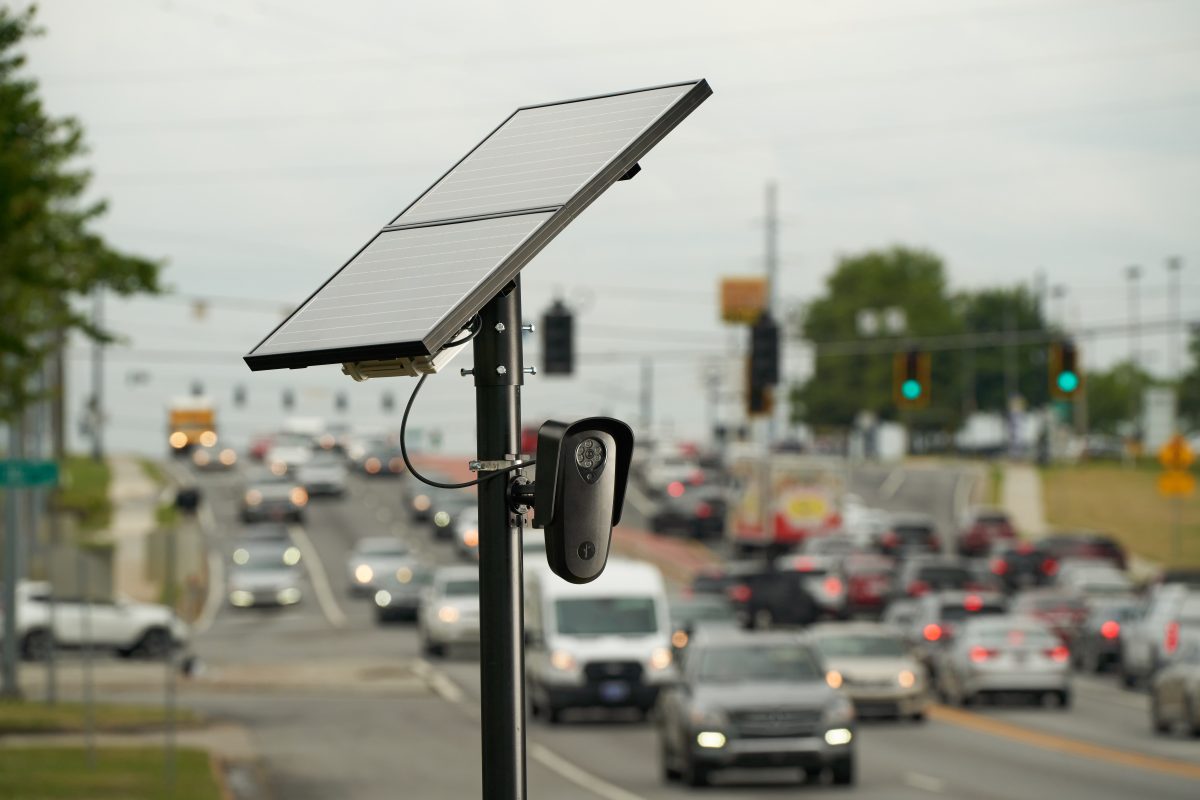
  • Chesterfield Public Safety Deploys LPR Camera System

    Chesterfield Public Safety Deploys LPR Camera System

    You may have seen some new cameras along main thoroughfares in Chesterfield Township recently.  The Chesterfield Public Safety Department is testing a new system from Flock Safety that employs License Plate Recognition (LPR) cameras to identify vehicles that have been stolen or involved in a crime.

    If a vehicle is identified as being connected to a theft, bank robbery, or other crime within the township, the Flock Safety LPR system will help law enforcement more effectively pinpoint the direction of travel and/or general vicinity of the vehicle.  Likewise, if a stolen vehicle is driven into the township – we will be able to better locate that vehicle as well.

    Seven out of every 10 crimes are committed with a vehicle

    License plate numbers give law enforcement the objective, actionable leads needed to solve an investigation. Using LPR cameras, detectives can pinpoint the suspect’s last known location which narrows down the search radius.

    Flock Safety is able to capture vehicles traveling up to 100 MPH and up to 75 ft away—day and night.  It’s public information on a public road, and it gives your local police the first investigative lead they need to solve crime.

    Flock Safety LPR cameras focus solely on objective, unbiased evidence — the investigative leads your agency needs to accurately and efficiently solve crime.

    Frequently Asked Questions:

    • Are these facial recognition cameras?  NO, THESE CAMERAS DO NOT CAPTURE FACES
    • Are these radars to track speeding?  NO
    • Are these intersection cameras used to enforced traffic violations?  NO
    • Are these being used to issue a ticket for speeding or running a red light?  NO
    • Are these “gun tracers” that detect gun shot sounds?  NO


    For more information, visit https://www.flocksafety.com

  • Is a scammer getting unemployment benefits in your name?

    Is a scammer getting unemployment benefits in your name?

    In a large-scale scam erupting in the midst of the Coronavirus pandemic, imposters are filing claims for unemployment benefits, using the names and personal information of people who have not filed claims. People learn about the fraud when they get a notice from their state unemployment benefits office or their employer about their supposed application for benefits.

    If this happens to you, it means someone is misusing your personal information, including your Social Security number and date of birth. Act fast. Here are steps that can help you protect your finances and your credit:

    1. Report the fraud to your employer. Keep a record of who you spoke with and when.
    2. Report the fraud to your state unemployment benefits agency. You can find state agencies here.If possible, report the fraud online. An online report will save you time and be easier for the agency to process.

      Keep any confirmation or case number you get. If you speak with anyone, keep a record of who you spoke with and when.

    3. Visit gov to report the fraud to the FTC and get help with the next important recovery steps. These include placing a free, one-year fraud alert on your credit, getting your free credit reports, and closing any fraudulent accounts opened in your name. IdentityTheft.gov also will help you add a free extended fraud alert or credit freeze to your credit report. These make it more difficult for an identity thief to open new accounts in your name.
    4. Review your credit reports often. For the next year, you can check your reports every week for free through com. This can help you spot any new fraud quickly.

    One other thing: The unemployment payments usually are deposited to accounts the imposters control. But sometimes payments get sent to the real person’s account, instead. If this happens to you, the imposters may call, text, or email to try to get you to send some or all of the money to them. They may pretend to be your state unemployment agency and say the money was sent by mistake. This a money mule scam and participating in one could cause you more difficulties.

    If you get benefits you never applied for, report it to your state unemployment agency and ask for instructions. Don’t respond to any calls, emails, or text messages telling you to wire money, send cash, or put money on gift cards. Your state agency will never tell you to repay money that way. Anyone who tells you to do those things is a scammer. Every time.